
About the Plattling Campus
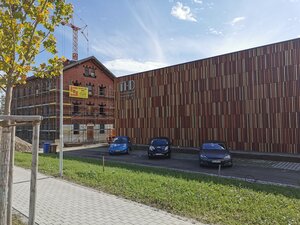
Since autumn 2020, the campus has been based in the heart of the former railway town of Plattling. The Plattling Campus is divided into two research areas: ‘Modern Mobility’ and ‘Real-time Computed Tomography’. ‘Modern Mobility’ uniquely brings together, in a single location, the relevant core research fields for electrified, mobile, autonomous systems. The Robo CT, designed for the analysis of complex and large-volume 3D objects, represents a leading facility in this field of research, thanks to its current configuration and the expertise available. Through the complementary collaboration of the individual research groups with renowned research institutions and academic departments, the Plattling Campus is emerging as a recognised centre for applied research.
The Power Electronics Department, led by Prof. Dr.-Ing. Otto Kreutzer, conducts research into the following areas:
- Power electronics for e-mobility (motor vehicles, rail vehicles, etc.)
- High-performance, high-efficiency charging stations (in combination with energy storage solutions)
- DC/DC conversion in the context of electrolysers/fuel cells, as well as
- Smart Grid & Renewable Energies
- AC/DC conversion in 16.7 and 50 Hz grids
- DC/AC conversion in drive inverters for fuel cell systems and battery-electric drives
- The central task is the development and optimisation of power electronic converters tailored to the specific application.
RESEARCH PROJECT
Analyses, calculations, simulations and the preparation of circuit diagrams and assembly drawings form the basis of the research work.
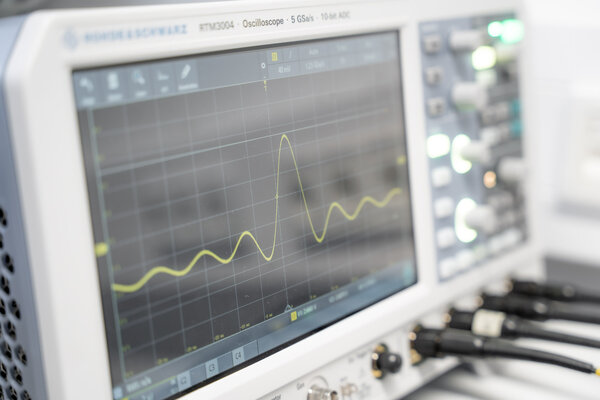
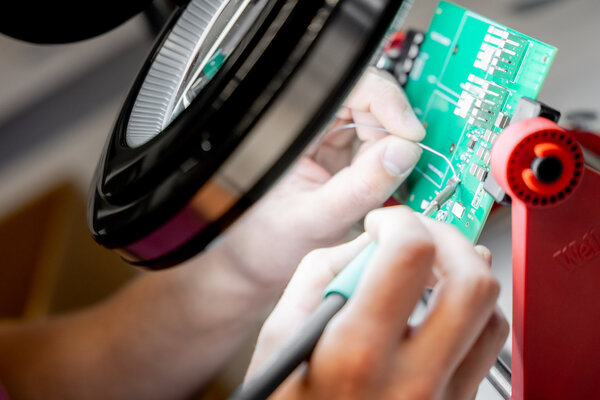
This is followed by the production of the prototypes. For this purpose, there is a small workshop for mechanical work, a winding station for the in-house production of wound components, and the power electronics laboratory for all electronic work.

Pictured: Assembly of the SMD components on a step-up regulator
Pictured: Assembly of through-hole components
In order to achieve high circuit efficiency, passive components – such as inductors – must also be manufactured in-house to meet the required specifications.
Once the circuits have been completed, they are commissioned and all parameters are tested and measured. In power electronics, measuring efficiency is of particular importance.
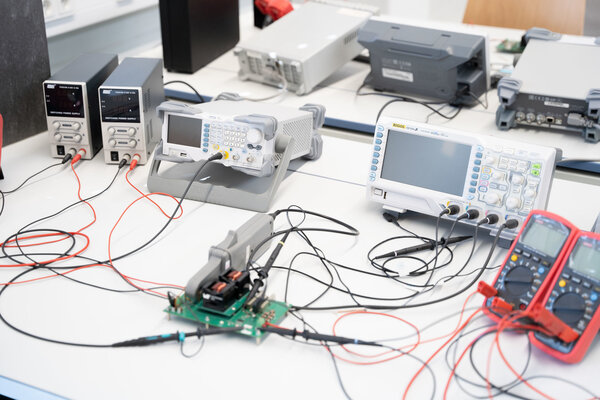
Ultimately, the final test of the research work takes place in practice.
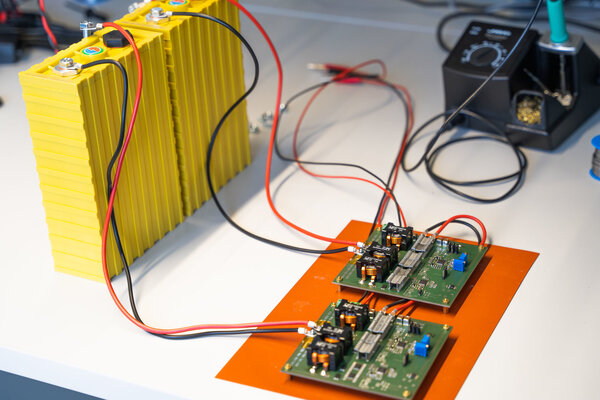
Pictured: Intelligent single-cell-based battery management system for a multi-level battery system
EXAMPLES OF CURRENT CHALLENGES
- Establishment of a self-sufficient system involving the feed-in of solar energy and the storage of energy in the form of hydrogen
- Development of an underground DC fast-charging point that can be powered from the railway traction power supply network (15 kV, 16.7 Hz) (Rail-HPC)
- Direct charging of electric vehicles from photovoltaic systems (Direct PV)
- Various commissioned research projects
OVERVIEW OF EQUIPMENT
- 4-quadrant AC mains simulator
- Bidirectional DC power supplies
- SMD assembly station (stencil printer, automatic placement machine, reflow soldering oven, etc.)
- Vector network analyser
- Saturation current tester
- Partial discharge tester
- Thick-wire bonder
- High-voltage insulation tester
- etc.
The full overview can be found at: Power Electronics Facilities in Plattling
CURRENT FUNDED PROJECTS
Nefton / Nefton 3000 – Electrification of commercial vehicles for grid connection optimised for the transport sector; sub-project: Passively cooled, unidirectional power electronics
The NEFTON project is developing a fast-charging system for battery-powered commercial vehicles. To this end, a highly efficient, bidirectional charging point operating in the megawatt range is being developed. In addition, a vehicle prototype is being developed that optimally meets both the technical and customer-specific requirements.
Within the scope of this sub-project, the focus is on the truck’s charging point.
Rail-HPC – Underground fast-charging point for battery-electric passenger cars powered by the railway overhead line
The aim of the project is to develop a highly efficient, scalable fast-charging station for electric vehicles (HPC = High Power Charger) with a charging capacity of 50 kW, which can be powered directly from the overhead lines of the railway power supply network (15 kV, 16.7 Hz), but optionally also from the public electricity grid. Specialised power electronics therefore enable both power grids to be utilised.
Residual Charge – Development and highly automated production of a DC wallbox with single-phase control; sub-project: development of highly efficient, phase-accurate power electronics and AI-based process data analysis
This project involves the development of a DC wallbox that monitors the available residual capacity in the individual phases of existing domestic connections, utilises this capacity on a phase-by-phase basis and can respond to changes in load, thereby ensuring that the individual phases of the connection are utilised optimally. This requires the development of new power electronics and control technology.
Innovative educational subject – An innovative, collaborative and cross-border educational concept for university students in the field of teaching
COMPLETED PROJECTS
DirektPV
The research group led by Prof. DI Dr.techn. Michael Sternad focuses on the following research topics:
- High-power lithium-ion batteries
- Ageing effects, including those associated with fast charging of lithium-ion batteries
- Lithium-metal batteries with electrolytes based on ionic liquids
- Novel electrode morphologies (e.g. using laser patterning)
Publications by Prof. Sternad: Google Scholar Web of Science ORCID
SELECTED PUBLICATIONS
Tracing the Powerfade: Location and Quantification of the Fluoridic Solid Electrolyte Interphase on Graphite Anodes (243rd ECS-Meeting, Boston, 2023)
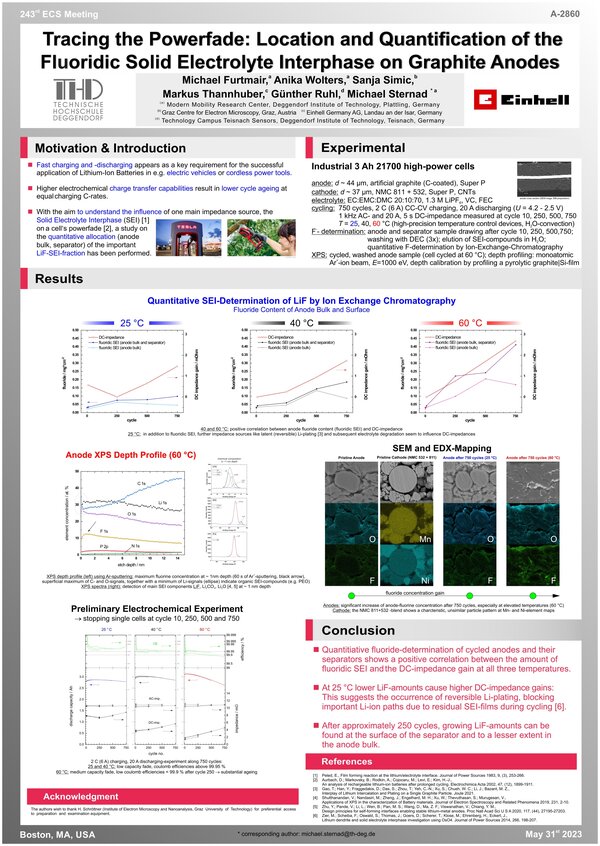
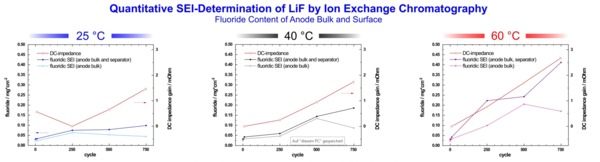
Positive correlation between the thickness of the fluoride-based SEI and the direct-current cell impedance (DC impedance) of a 21700 cell
A Lithium‐Silicon Microbattery with Anode and Housing Directly Made from Semiconductor Grade Monocrystalline Si
(Advanced Materials Technologies, 2021, in collaboration with Infineon Technologies Austria AG, published with funding from the European Union (European Regional Development Fund, ERDF))

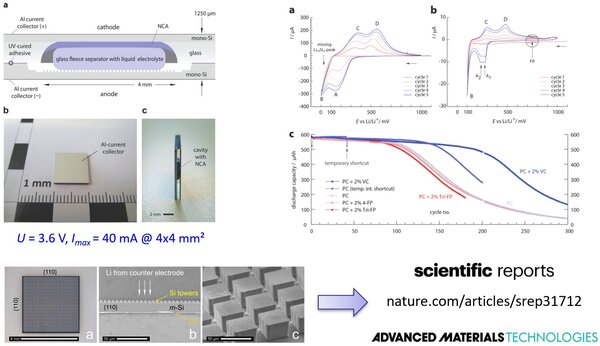
Fully integrated lithium-silicon microbattery, using monocrystalline silicon as the anode and casing material
Nascent SEI-Surface Films on Single Crystalline Silicon Investigated by Scanning Electrochemical Microscopy
(2019, in collaboration with Prof. G. Wittstock’s seminar group, University of Oldenburg)
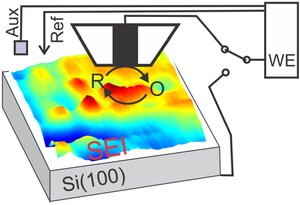
Investigation of the formation of the surface electron-insulating layer (SEI) on a battery anode made of single-crystal silicon using SECM (Scanning Electrochemical Microscopy)
Aging of Tesla's 18650 Lithium-Ion Cells: Correlating Solid-Electrolyte-Interphase Evolution with Fading in Capacity and Power
(2017, in collaboration with AVL List GmbH)
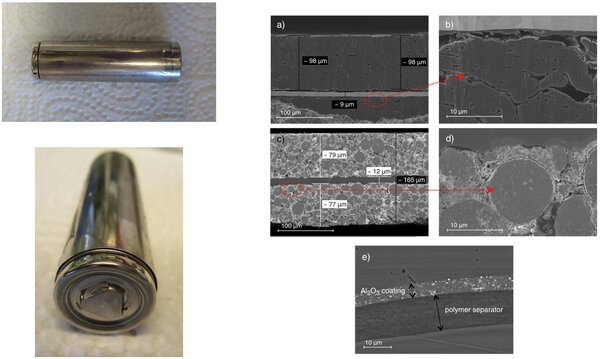
Characterisation of a 18650 Tesla cell; investigation of ageing behaviour at different temperatures and C-rate charging conditions
The microstructure matters: breaking down the barriers with single crystalline silicon as negative electrode in Li-ion batteries
(Scientific reports, Nature Publishing Group, 2016)
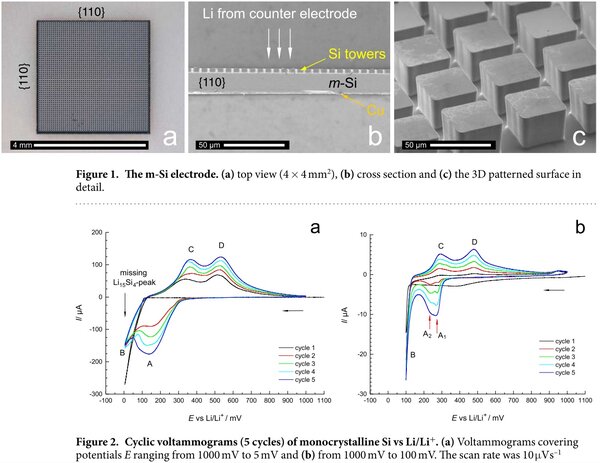
A study of the fundamental electrochemical properties of single-crystal silicon (100) during lithiation
AVAILABLE METHODS AND EQUIPMENT
Working in an inert atmosphere
- MBRAUN Labmaster Pro SP Glovebox (Argon, < 0.5 ppm H2O)
Preparation of laboratory test cells (Swagelok cells, button cells, pouch cells)
- Fritsch PULVERISETTE 7 planetary mill (slurry preparation)
- Proceq ZAA 2300 automatic film-spreading apparatus (squeegee 80–100 mm)
- Low-vacuum drying line (p = 10⁻²–10⁻³ mbar), Büchi glass furnaces
- Metrohm 831 Karl Fischer coulometer with 860 KF headspace oven
- Mettler XSR105DU analytical balance (0.01 µg resolution)
- Swagelok, Knopf and Puchcell production
Electrochemical characterisation of laboratory test cells
- Biologic MPG 2 potentiostat, 2 x 16 channels
- Biologic SP 50 potentiostat, 1 channel
- Memmert temperature-controlled cabinets (25, 40, 60°C)
Electrochemical characterisation of industrial cells (e.g. 21700)
- Arbin LBT21084HC Battery Cycler, 40 channels, 0–5 V, 60 A
- High-precision temperature control unit for 18650/21700 cells (T ± 1 K under a 20 A load)
Chemical analysis, imaging techniques and other equipment
- Agilent Cary 630 FTIR/ATR spectrometer (diamond and Ge crystal optics)
- Agilent 8860/5977C GC-MS system
- Thermo Fisher NEXSA X-ray photoelectron spectrometer (XPS, TC-Teisnach)
- Zeiss Ultra 55 scanning electron microscope, EDAX EDS detector
- ZEISS METROTOM computed tomography scanner (5 µm spot size)
- Rotofix 32 A bench-top centrifuge (electrolyte sampling from battery cells)
- Access to Hg porosimeter, Dionex ion-exchange chromatography, flame and graphite furnace atomic absorption spectrometry (AAS), etc.
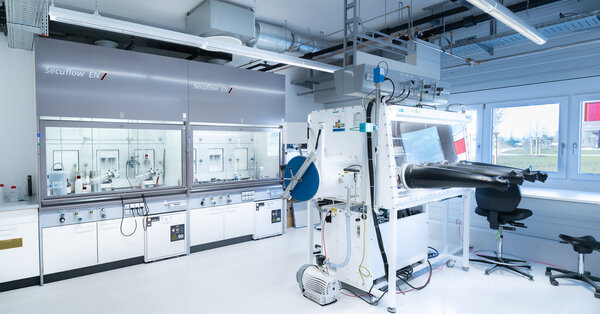
Glovebox, with a fine-vacuum drying line integrated into the fume cupboard
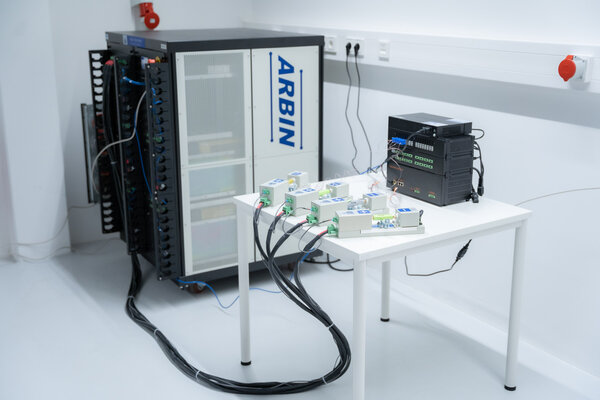
Arbin High-Current Cycler
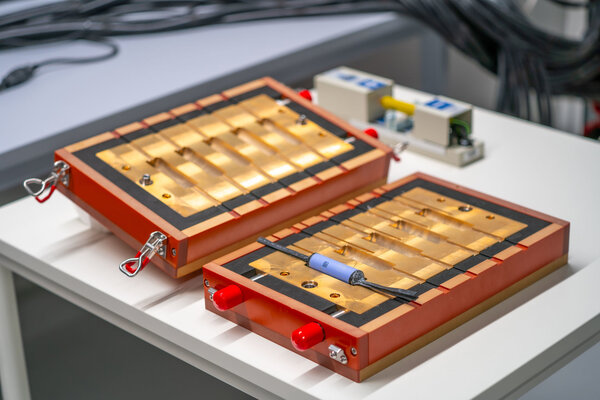
Copper heat exchangers for the precise temperature control of battery cells during testing
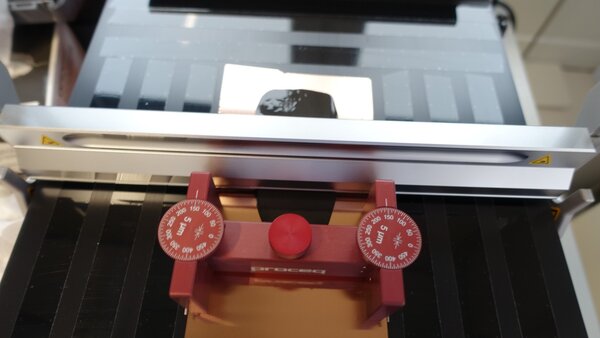
Manufacture of electrodes: coating of current-collecting foils with a so-called ‘slurry’ (a viscous mixture of active material)
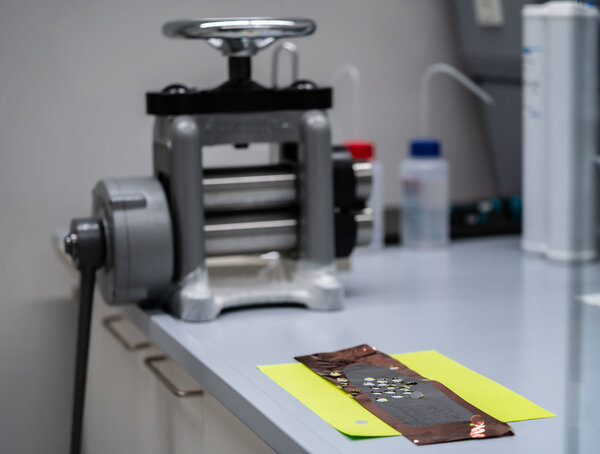
Laboratory calender for compacting the dried active material coating, with a finished electrode sheet in the foreground
SERVICES
Qualification of battery cells:
Before a cell is used in a specific product, it is usually the responsibility of the cell manufacturer to demonstrate the quality and safety of its cells to, for example, an equipment or motor vehicle manufacturer (to ‘qualify’ them).
A typical battery qualification process includes:
- Cycle testing of the cells at 25, 40 and 60 °C, comprising 750 cycles under the charge and discharge conditions specified by the cell manufacturer (as per the specification sheet). Electrical and electrochemical parameters such as discharge capacity, Coulombic efficiency (charge efficiency) and AC (1 kHz) and DC (5 s, 20 A) impedance are recorded.
- The opening of one selected cell per temperature under inert gas in a glovebox (‘post-mortem analysis’):
- a. Assessment of the macroscopic condition, particularly of the anodes (with regard to lithium plating) and the separators (short circuits or thermal anomalies, hotspots)
- b. Detailed photographic documentation of all cell components (anodes, cathodes, separators, cell housings and safety devices)
- c. Determination of the geometric parameters of the electrode tracks and the separator, including the thicknesses of the active material layers
- d. Macroscopic inspection of the cell’s safety devices (e.g. the CID or the PTC)
- reporting accompanied by an expert assessment of the quality and safety of the tested cell design, to serve as a basis for decision-making for potential buyers of the cells
If you have any questions regarding ‘battery qualification’, the experts at AG Sternad will be happy to help!
Example of the results of a cycling test comprising 750 cycles (750 charge and discharge cycles) at 25, 40 and 60 °C:
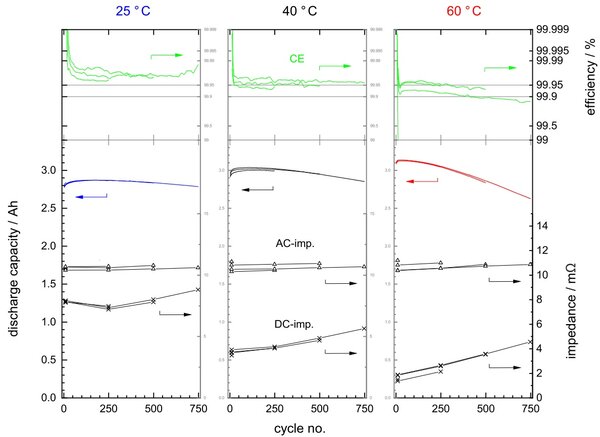
Electrochemical experiment (cycling) on an industrial 3 Ah 21700 cell type under temperature-controlled conditions
If any faults occur in the battery cell during the experiment, which lasts approximately 4–5 weeks, the test procedures are automatically terminated:
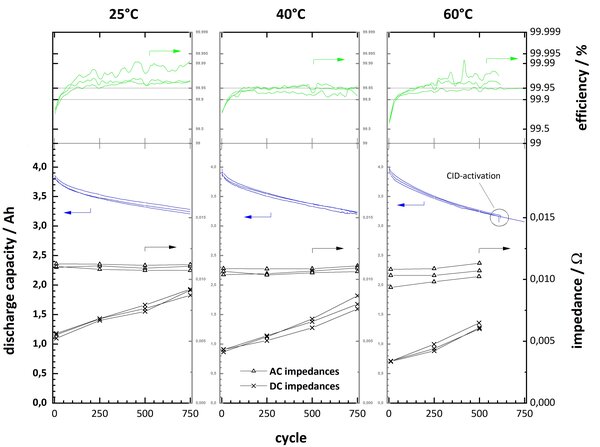
Cycle testing of nine (three per temperature) Samsung INR21700-40T, 4000 mAh cells; activation of the cell-internal circuit interrupter (‘CID activation’) due to excessive internal cell pressure at 60 °C
In order to assess the condition of the electrode coatings and the safety status of the cells after 750 cycles, one cell per temperature is partially discharged and opened in a glovebox under an inert gas (argon) atmosphere (post-mortem analysis):
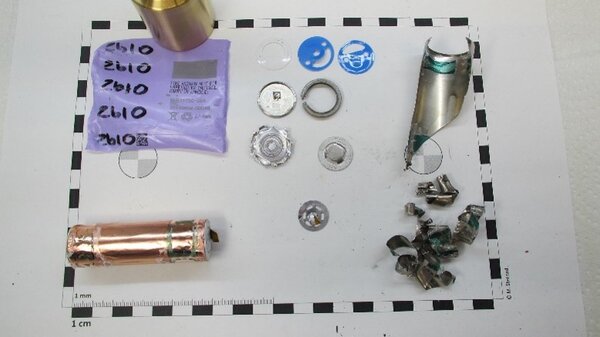
Opening and disassembling a 21700 cell under an inert gas atmosphere (left) and macroscopic inspection of the separator and electrode surfaces (right)
CURRENT PROJECTS
- Research and service projects with corporate partners such as Einhell Germany AG and the DRÄXLMAIER Group.
- FestBatt – Cluster of competence for solid-state batteries
COMPLETED PROJECTS
OptiStore - Optimised energy storage systems for sustainable utilisation (European Union, ERDF)

The Autonomous Driving and Driver Assistance Systems Group, led by Prof. Thomas Limbrunner, conducts research into autonomous systems and driver assistance systems. The research group’s overall objective is to carry out applied research across the broad spectrum of autonomous systems.
The focus will be primarily on the following key areas:
- (Environmental) sensor technology
- Algorithms for object discrimination
- Object tracking
- Anomaly detection
- META data generation and analysis (including via artificial intelligence)
- Overall system architecture of autonomous systems
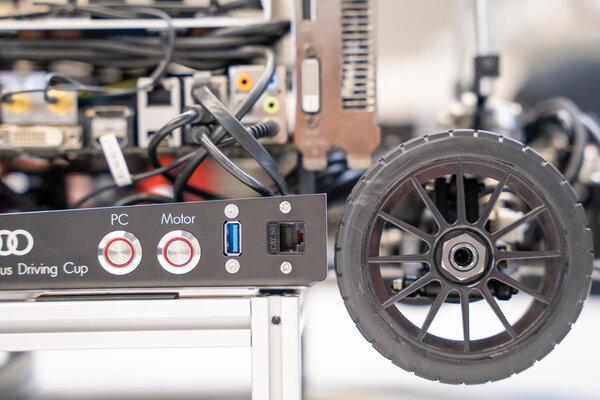
Model-scale test platform
RESEARCH PROJECT
In terms of infrastructure, the research group relies on high-performance AI servers for algorithm development and simulation, on testbed environments for applications such as automotive Ethernet, and – as planned – on high-precision driving parameter measurement technology. This enables studies in the areas of driving function precision, type approval, as well as user experience (UX) and usability.
The research team’s work covers almost all areas of autonomous driving, as well as the further development of driver assistance systems.
Current work includes, amongst other things, in-vehicle big data analytics systems for the development of data-driven algorithms using intelligent edge nodes. In the INSTATE funded project, metadata is generated directly within the vehicle using intelligent edge devices. These are connected to the vehicle’s sensors. The metadata generated in this way can be used by a big data platform to understand the current scenario. Furthermore, data – including the metadata – is recorded only on an as-needed basis.
- Data-driven algorithms for autonomous driving using intelligent edge nodes
- Metadata generation directly in the vehicle
- Conversion of sensor data into compressed streams
- Back-end connection via a 5G gateway
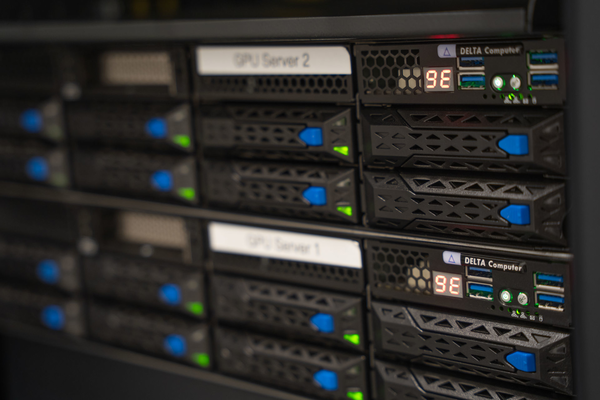
The INSTATE project aims to use AI methods to explore new ways of collecting and processing sensor data
Work on innovative verification concepts for the start-up capability of the complete vehicle has recently been completed as part of the iAATG project. As part of this project, research was carried out, amongst other things, into the detection of specific events arising from high functional and system complexity using artificial intelligence methods (single event analysis). Furthermore, work was carried out on the verification of automated driving functions using inductive test strategies for ‘Vehicle Integrated Testing’ (Vitbox), as well as on the verification and validation of backend interaction relating to automated driving functions.
- Single-event analysis
- Vehicle-integrated testing
- Back-end interaction
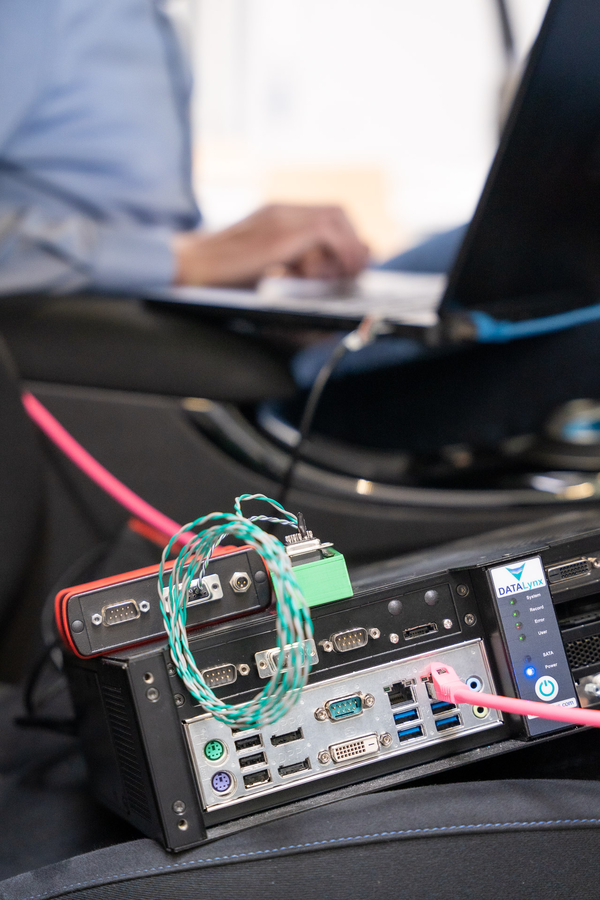
The iAATG project is investigating innovative strategies for ensuring the safety of autonomous driving functions.
STUDENT PROJECTS
A key aspect of the research group led by Professor Thomas Limbrunner is its collaboration with students on student projects and final-year dissertations. As part of these projects, a wide variety of sensor systems are commissioned and integrated, and the data is subsequently evaluated and analysed.
An important collaboration in this regard is the partnership between TC Plattling and the ‘Master of Applied Research’ degree programme.
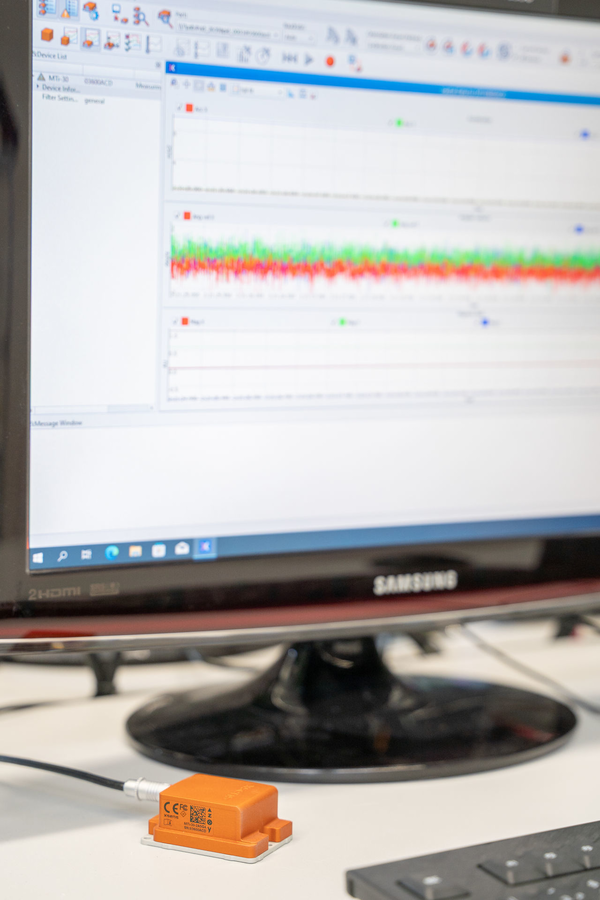
Example of an IMU (inertial measurement unit)
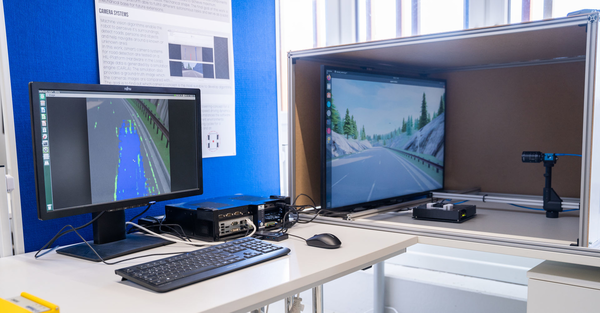
Example of a Master’s thesis: simulation-based data generation and analysis
In addition to the analysis of real-world data, the research also focuses on the generation of simulation-based training data for image processing using artificial intelligence.
OVERVIEW OF EQUIPMENT
- GPU-powered Kubernetes cluster for AI development
- Various workstations (additive manufacturing, electronics assemblies, lifting platforms, etc.) for the creation of prototype assemblies for research
- Automotive Ethernet testbed for stress testing and time synchronisation
- 5G campus network
- ADAS measurement technology with reference sensors
- Development and test equipment for vehicle bus communication
- Monitor HiL and ADAS simulation environment
- Various mobile autonomous platforms for sensor and functional development
- GNSS – RTK reference station
CURRENT PROJECTS
DaDriVe - Data Driven Vehicle Validation by AI
INSTATE - In-vehicle big data analytics system for developing data-driven algorithms using intelligent edge nodes
COMPLETED PROJECTS
iAATG - Innovative safety concepts for ensuring the start-up capability of the complete vehicle; Press release
Project partners: BMW Group Dingolfing, b-plus
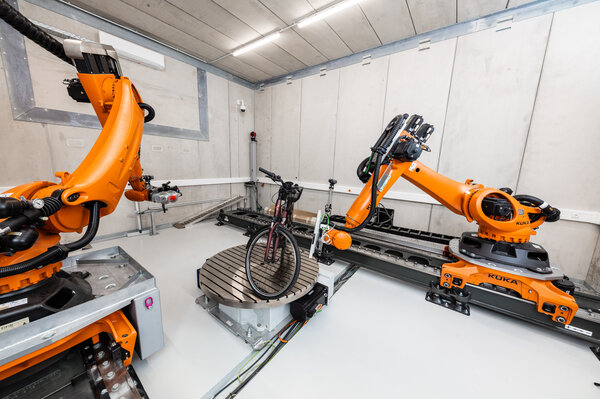
The Robo-CT research group led by Prof. Dr Simon Zabler is conducting research into the 3D digitisation of large objects, including entire vehicles, using a robot-based digitisation cell based on X-ray computed tomography.
- Multimodal non-destructive testing using optical measurement and X-ray technology
- Automated 2D & 3D X-ray inspection of large, industrially relevant objects
- Flexible three-dimensional positioning
- Collision-free, automated robotic movement
- Key research areas
- Computed tomography-based, collision-free trajectory optimisation
- Precise positioning and calibration of X-ray components
- Data completeness of scan trajectories
- Further application examples
EXAMPLES OF CURRENT CHALLENGES
- Optimisation of object placement to avoid inaccessible areas
- Determination of the degrees of freedom required for the robots’ movement
OVERVIEW OF EQUIPMENT
- Robots: 2 x KUKA KR 120 R2900, each fitted with a ‘KUKA Linear Unit KL 4000’ on the linear axes
- Heavy-duty table: WEISS – CR1000C
- X-ray source: Comet – XRS-225VF
- X-ray detector: Varex Imaging – PaxScan 4343DX-I
- Laser tracker: API – Radian
- 3D scanner: Photoneo – PhoXi 3D Scanner
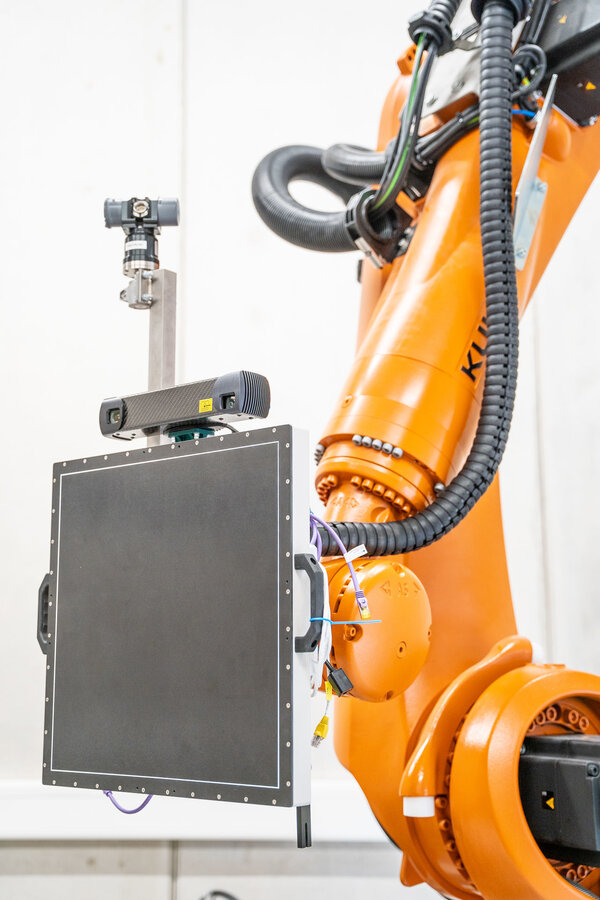
Robot with an X-ray detector
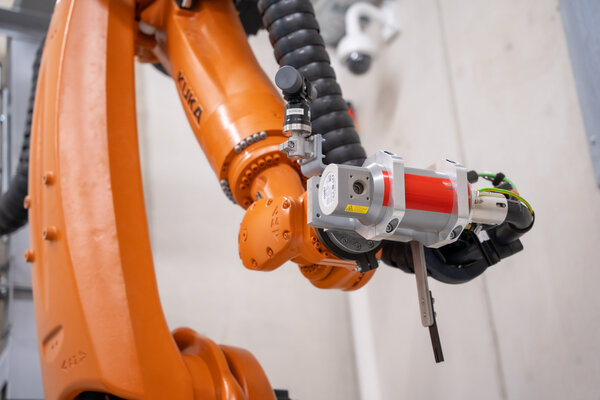
Robot with an X-ray source
CURRENT PROJECTS
SmartCT
The SmartCT project develops and applies AI methods that enable robot-assisted computed tomography systems (robot-CT) to autonomously and non-destructively map the external and internal structures of any object. The data generated forms the basis for novel, innovative and data-driven business models in many sectors, such as product development (vehicle components, aircraft wings, battery cells, etc.).
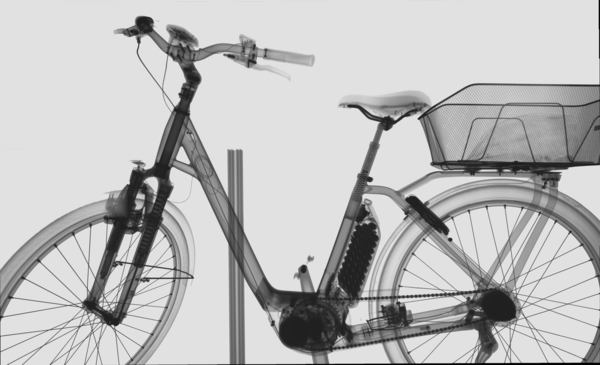
X-ray image of an e-bike
PROJEcts
One of the key areas of focus at Deggendorf University of Applied Sciences (THD) is applied research and development. Close cooperation with partners from business and industry ensures that research is closely aligned with industry needs. Unlike traditional basic research carried out at universities, the main emphasis is on practical outcomes right through to the prototype stage, as well as on the implementation and application of research and development results.
The DIT’s research and development programme comprises:
- Research and development collaborations between companies, institutes and universities
- Research carried out under public funding programmes
- Contract research and development for SMEs
- Services and studies carried out as part of university projects
- Development of innovative technologies, products and ideas
- Individual projects
- Collaboration within ‘clusters
The holistic research activities aimed at developing innovative solutions, which extend far beyond the automotive sector, build on the research carried out to date at Deggendorf Institute of Technology. Further projects relating to the ‘Innovative Mobility’ research focus are being undertaken at the Freyung campus.
Events & News
Symposium on the Future of Mobility
24 September 2026
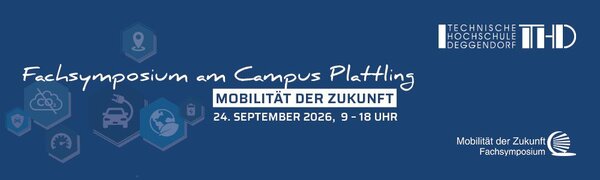
The next specialist symposium will take place on 24 September 2026 from 9.00 am to 6.00 pm in the laboratory building on the Plattling campus.
In a world that is constantly evolving, the future of mobility is a topic of crucial importance that has a significant impact on both our individual quality of life and the sustainability of our planet. Join experts and decision-makers in discussing the latest developments and challenges in the mobility sector. This year’s event will focus in part on the significance and impact of artificial intelligence on the mobility of the future.
Further information on the presentations and the programme for the day can be found in the agenda
Click here to register.
16 August 2026
How can new technologies help to identify, locate and rescue people in distress more quickly? This is the question being addressed by the research project ‘Intelligent Person-Positioning and Real-Time Rescue System in Water’ at Deggendorf Institute of Technology. The researchers recently met with the Plattling (Deggendorf district) Water Rescue Service to discuss the project, which is funded by the Daimler and Benz Foundation.
According to a press release, a key component of the research work at the research campus is the “close collaboration with experienced emergency services personnel”. Against this backdrop, the researchers visited the Water Rescue Service to learn about the water rescue options currently available, the equipment used, and the specific challenges posed by real-life emergency situations.
The emergency services personnel demonstrated various rescue equipment and, drawing on their practical experience, explained the requirements involved in operations on lakes and rivers. In particular, changing current conditions, limited visibility or areas that are difficult to access can make the search for and rescue of people considerably more difficult, the practitioners explained.
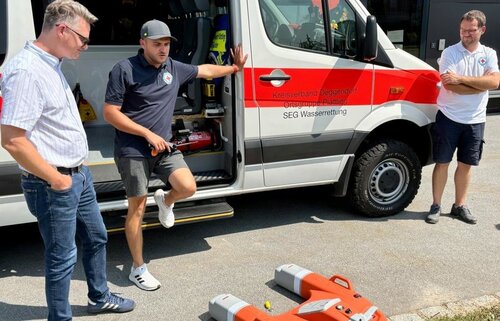
According to the press release, these insights are of central importance to the research team. The aim is not to develop technological solutions that fail to meet actual needs, but to focus precisely on the areas where emergency services require practical support.
Exchange ‘extremely valuable’
“Direct dialogue with the emergency services is incredibly valuable for our research. We want to understand where the current challenges lie and where new technologies can usefully complement the rescue chain,” emphasises Christian Fenzl from the Research Campus.
The research project aims to identify existing gaps within the rescue chain and to develop practical technological solutions based on these findings. Under the leadership of Professor Markus Straßberger, concrete prototypes are to be developed as the project progresses and tested under realistic conditions.
6 July 2026
As part of a research project funded by the Bavarian State Ministry of Economic Affairs, Regional Development and Energy, Deggendorf Institute of Technology at the Plattling Campus is working with numerous project partners to develop innovative technologies to protect wildlife during mowing operations. The project involves integrating drones, thermal imaging cameras, RGB cameras and artificial intelligence methods into an intelligent assistance system. This system automatically detects wildlife, pinpoints its location and supports the mowing process to identify and avoid hazards at an early stage.
The project impressively demonstrates how digital technologies can create tangible social value. Research, agriculture, sensor technology, robotics and artificial intelligence are working hand in hand here to solve a real-world challenge. The intelligent combination of state-of-the-art sensor technology and data-driven decision support is yielding practical solutions that both improve the protection of wildlife and maintain the efficiency of agricultural workflows.
Safe-WilMA is therefore a prime example of innovative, application-oriented research ‘Made in Bavaria’. The technologies developed open up new prospects for sustainable and responsible agriculture and demonstrate how artificial intelligence can help to save lives – not in theory, but right here in the fields of our region.
24–29 May 2026
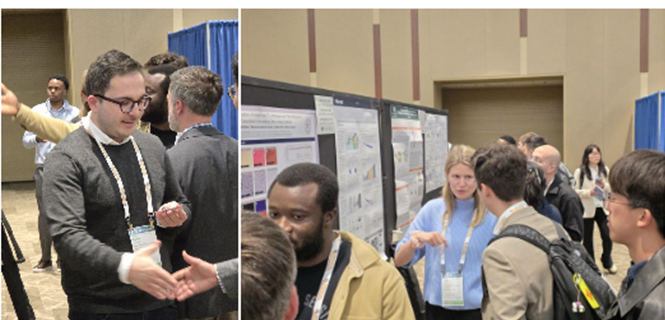
Deggendorf Institute of Technology (DIT), together with the Plattling Campus, was represented on the international stage at the Electrochemical Society (ECS) Conference in Seattle. Researchers from the Energy Storage Systems group presented the latest findings from their work in the field of modern battery systems.
The presentations focused on innovative research into lithium-metal batteries, as well as studies on the so-called ‘thermal runaway’ of lithium-ion batteries – a safety-critical issue in the further development of high-performance energy storage systems. The research findings were presented by scientists Luca Lieb and Denis Dizgün, who shared their work with an international audience of experts and provided valuable impetus for scientific exchange.
The posters on display attracted a great deal of interest and provided numerous opportunities for technical discussions with researchers from all over the world. The ECS Conference is regarded as one of the most important international platforms for electrochemical research and highlights the high relevance of the work presented from Plattling.
Particularly noteworthy is the close integration of research with practical applications. The research group, led by Prof. Dr Michael Sternad, is specifically driving forward the development of safe and high-performance energy storage solutions, thereby strengthening the THD’s international profile in the field of battery research.
The successful participation in the ECS Conference once again demonstrates the high quality of applied research at the Plattling Campus and confirms its role as a key player in the field of energy storage systems.
23 May 2026
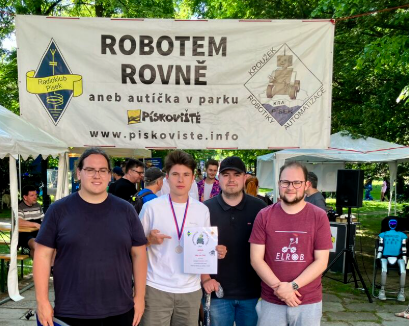
A great success for the students at the Plattling campus of Deggendorf Institute of Technology: at the international robotics competition ‘Robotem Rovně 2026’ in Písek (Czech Republic), the team achieved an outstanding second place.
The competition took place as part of a town festival and is held annually as a traditional event. The particular challenge was that an autonomous vehicle had to find a marked parking space on its own, park precisely and, at the same time, react to pedestrians. The combination of sensor technology, control engineering and autonomous navigation placed high demands on the participants.
The foundations for this success were laid as part of the robotics platform at the Laboratory for Autonomous Systems and Driver Assistance Systems (LAFAS) on the Plattling Campus. There, students develop innovative, practice-oriented solutions and, as part of their project work, tackle real-world problems relating to autonomous systems.
The successful team impressively demonstrated their skills and showed how theoretical knowledge can be effectively put into practice. The team includes several students who were able to successfully deploy the systems they had developed during the competition.
Particular mention must also be made of the support provided by the academic staff on campus: the guidance provided throughout the project and the staff’s commitment in the laboratory contributed significantly to the success and underline the high quality of the education provided.
This success in the competition impressively demonstrates how practical teaching, applied research and student engagement at Deggendorf Insitute of Technology are intertwined and lead to outstanding results. At the same time, it enhances the international profile of the Plattling Campus in the field of robotics and autonomous systems.
18 May 2026
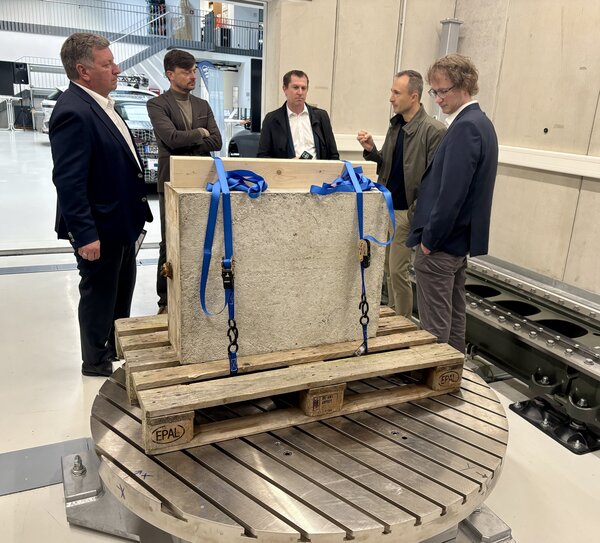
Bavarian Minister of State Christian Bernreiter visited the Plattling Campus of Deggendorf Institute of Technology to learn about innovative testing methods for bridge maintenance. The focus was on what is known as ‘bridge CT’, a form of computed tomography intended for the non-destructive analysis of structures.
Given that there are around 15,000 bridges in Bavaria, many of which are between 40 and 65 years old, it was emphasised that not every bridge in need of refurbishment needs to be replaced. Instead, a data-based condition assessment should help to enable targeted and sustainable maintenance measures.
Researchers at the Plattling campus are investigating how CT technology can detect internal damage, such as cracks in concrete, at an early stage. The main challenges lie in the examination of massive structural components and the development of mobile testing systems.
A two-stage research approach involves first assessing technical feasibility, followed by the development of mobile systems. Around 50 relevant bridges in Bavaria could be considered for further investigation.
Finally, further steps were agreed: the campus will draw up a research plan, whilst the Ministry will take the matter forward at a political level and in collaboration with partners. The aim is to ensure that infrastructure is maintained in a safer, more cost-effective and more sustainable manner in future.
29 April 2026
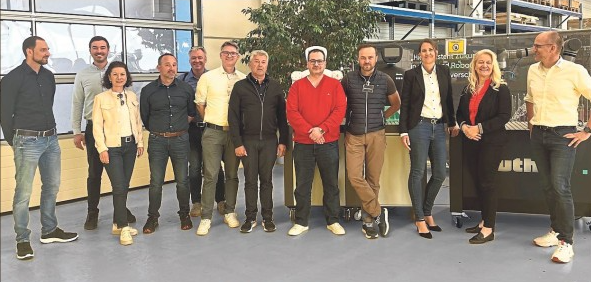
As part of a forward-looking networking event hosted by Gluth Systemtechnik GmbH, stakeholders from business, academia and public administration came together for the first time to discuss an emerging AI ecosystem in Lower Bavaria. The event was regarded by all participants as extremely positive, constructive and forward-looking.
The aim of the meeting was to develop a shared understanding of the planned ‘Ecosystem Smart Lower Bavaria’ and to provide fresh impetus for collaboration. The initiative originated with the Lower Bavaria Forum and aims to create a unifying platform that strategically connects businesses, research organisations and public institutions, thereby facilitating innovation partnerships.
Participating organisations included, amongst others, the Deggendorf Institute of Technology with its campuses in Plattling and Cham, the Lower Bavaria Chamber of Industry and Commerce in Straubing, the KI-Park, the City of Straubing, the company B-Plus and Radius 1. Together, they discussed how the region can specifically pool and further develop its expertise in the field of artificial intelligence.
Im Mittelpunkt der Veranstaltung stand der offene Austausch über laufende und geplante KI-Projekte. Ein besonderer fachlicher Impuls kam von einem Vortrag zur Arbeitsmethodik von Amazon, vorgestellt durch Radius 1. Dabei wurde deutlich aufgezeigt, wie moderne Innovationsansätze klassische Denk- und Arbeitsweisen in Unternehmen hinterfragen und neue Perspektiven eröffnen.
In addition, participants were given an insight into current projects at Gluth Systemtechnik GmbH. Among other things, the presentations covered robotic applications for the pharmaceutical industry (“RoX”), intelligent image processing using Vision AI, and “PiB Rocks”, a humanoid robot. The solutions presented impressively demonstrated how automation, precision and AI-supported systems are increasingly converging.
Another item on the agenda was a presentation of the AI Park by its management. The focus was on topics such as promoting innovation, building networks and initiating joint projects with companies from the region. The aim is to position Lower Bavaria more strongly as an AI hub both nationally and internationally, thereby securing the region’s long-term competitiveness.
An important announcement was also made: the establishment of an AI Park satellite in Lower Bavaria as part of the ‘Ecosystem Smart Lower Bavaria’ initiative is planned for June 2026. The meeting at Gluth Systemtechnik thus represents a significant milestone on the path towards a strong regional AI infrastructure.
The event impressively demonstrated the potential that lies in collaboration between industry and research – and sends a clear signal regarding the future of Lower Bavaria as a centre of innovation.
16–17 April 2026
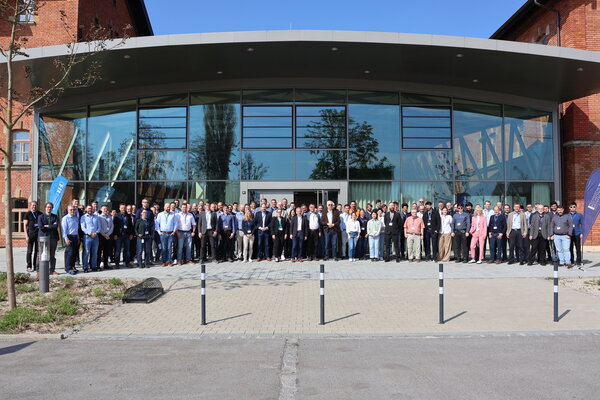
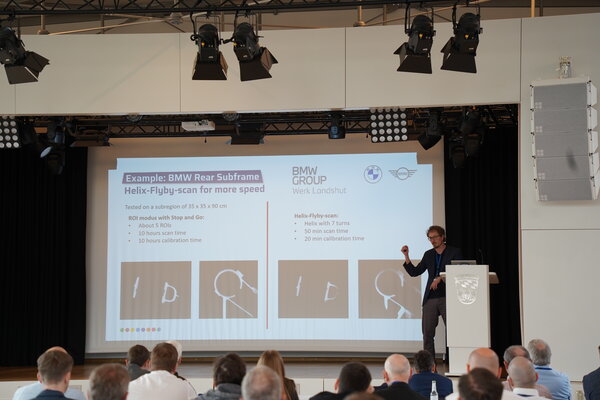
The Robo CT User Forum 2026 brought together international experts from research and industry at the Plattling Campus and became a key meeting place for the global RoboCT community. With over 130 participants from 14 countries and 59 organisations, the event impressively demonstrated the rapidly growing interest in robot-assisted computed tomography (RoboCT). Leading industrial companies, research institutions, users and system integrators came together to discuss the latest developments, challenges and future prospects for flexible industrial CT. The forum thus became the premier international gathering for RoboCT, bringing together the key players in the field.
The focus was particularly on the intensive exchange between industry and research. In specialist presentations, discussions and one-to-one conversations, experiences from real-world applications were presented alongside new scientific approaches to flexible trajectories, high-volume CT, automation, reconstruction and AI-supported data analysis. The programme was complemented by a poster session featuring 21 scientific posters from various research institutions and working groups relating to RoboCT. The poster session provided additional opportunities for in-depth discussions, new collaborations and direct exchanges between early-career researchers, researchers and industrial users.
In addition to the international specialist audience, representatives from the world of politics and university management also attended, including the District Administrator of Deggendorf, Dr Bernd Sibler; the Mayor of Plattling, Hans Schmalhofer; and the Vice-President of Deggendorf Institute of Technology, Prof. Dr Veronika Fetzer. Their attendance underscored the importance of the Plattling Technology Campus and the RoboCT infrastructure established there as an internationally recognised centre for research and innovation in the field of robot-assisted industrial computed tomography.
Click here for the live stream:
a
6 October 2020: Official opening of the Modern Mobility Research Centre at the Plattling Technology Campus (later Campus Plattling)
On 6 October 2020, the Modern Mobility Research Centre at Campus Plattling was officially opened.
Due to the coronavirus pandemic, only a limited number of guests could be invited.
That is precisely why we would like to share some highlights from this event with you.
Video highlights:


Directions
Deggendorf Institute of Technology
Plattling Campus
‘Modern Mobility’ Research Centre
| Postal address: |
Werkstraße 17 D-94447 Plattling |
| Telephone: | +49 991 3615 8600 |
| Fax: | +49 991 3615 297 |
| Email: | tc-plattling@th-deg.de |